
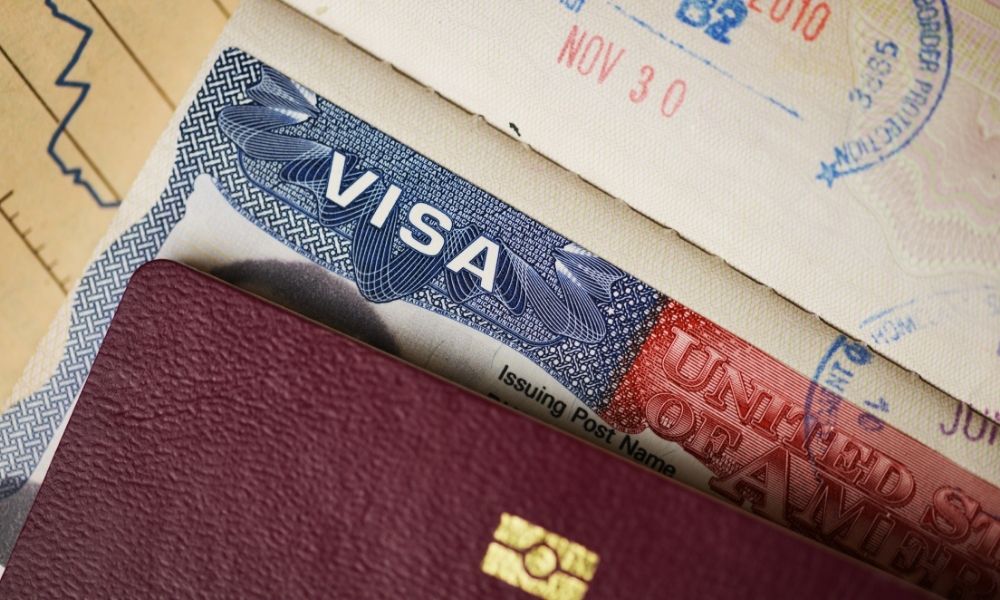
Temporary work visas provide skilled professionals with the opportunity to live and work in the United States for a defined period. Programs such as H-1B, L-1, and O-1 allow qualified individuals to gain international experience while supporting American industries that require specialized expertise. Through the guidance of USAGCIM, applicants can better understand the visa categories available, the eligibility requirements, and the steps needed to begin the application process.
Navigating the U.S. immigration system can be complex, especially when applying for temporary work visas. At USAGCIM, we help applicants understand the available visa options, documentation requirements, and application steps so they can move forward with confidence toward employment opportunities in the United States.
Learn about visa programs such as H-1B, L-1, and O-1 and understand which option may match your professional background.
Understand each stage of the visa process, from employer sponsorship to submitting documentation and attending consular interviews.
Temporary work visa applications require detailed documentation. Knowing what to prepare in advance can help prevent delays.
Each visa category includes specific eligibility rules, processing timelines, and legal conditions that applicants must follow.
Temporary work visas allow skilled professionals to gain international experience while contributing to American industries.
Access clear and structured information about visa categories, immigration requirements, and working legally in the United States.
Working in the United States is a goal for many professionals around the world. The country offers a wide range of employment opportunities across industries such as technology, healthcare, engineering, finance, and business development. For foreign nationals, one of the main ways to enter the American workforce is through temporary work visas that allow individuals to live and work in the country for a specific period. Temporary employment visas are designed to help U.S. companies access skilled talent when specialized knowledge or professional expertise is required. These visas create a legal pathway for qualified individuals to contribute to American businesses while gaining valuable international work experience. Understanding how these visas function is an important step for anyone considering employment opportunities in the United States.

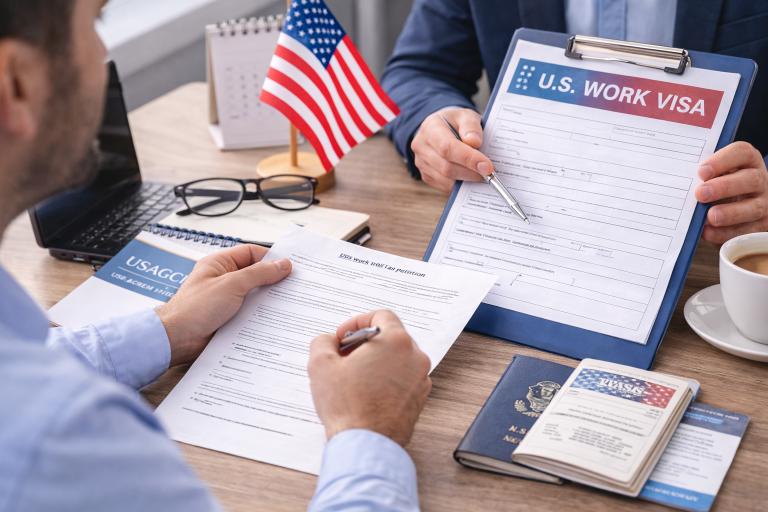
Temporary work visas allow foreign professionals to work in the United States for a defined period of time. These visas are considered non-immigrant visas, meaning they are issued for temporary employment rather than permanent residency. Most temporary work visas require sponsorship from a U.S. employer. This means that a company in the United States must first offer a job to the applicant and then submit a petition to immigration authorities requesting permission to employ that individual. Because each visa category serves a different purpose, applicants must carefully review the eligibility requirements before applying. Resources such as USAGCIM help individuals understand the general structure of these visa programs and the steps involved in the process.
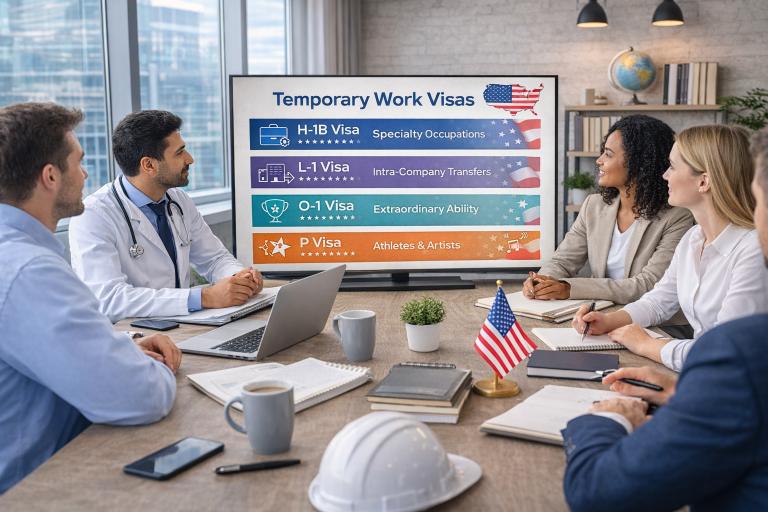
The United States offers several temporary work visa categories designed to support different professional backgrounds. One of the most well-known visa types is the H-1B visa, which is intended for professionals working in specialty occupations that require advanced knowledge or a university degree. Fields such as software development, engineering, healthcare, and finance frequently utilize this visa category. Another option is the L-1 visa, which allows multinational companies to transfer employees from overseas offices to a U.S. branch. This visa is typically used for executives, managers, or employees with specialized knowledge of company operations. There are also visa options for individuals with extraordinary professional abilities, athletes, performers, and participants in international exchange programs. Each category includes specific eligibility criteria, documentation requirements, and permitted durations of stay.
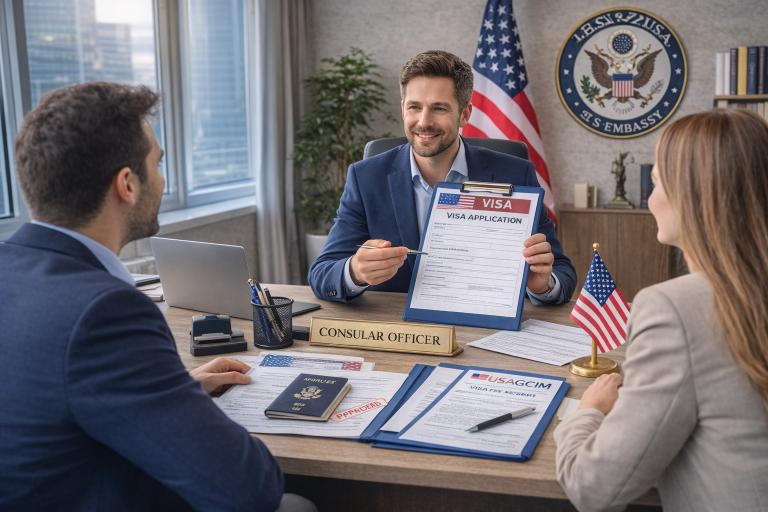
The application process for a temporary work visa usually begins with a job offer from a U.S. employer. Once an employer decides to hire a foreign professional, they must submit a petition to the appropriate immigration authorities. After the petition is approved, the applicant can apply for the visa through a U.S. embassy or consulate in their home country. This stage often involves submitting personal documentation, professional credentials, and attending a visa interview. During the review process, immigration officials evaluate whether the applicant meets the legal requirements of the visa category and whether the employer has fulfilled all necessary obligations. Applicants researching the process often review guidance provided by organizations such as USAGCIM to better understand the documentation and procedures involved.
Temporary work visas are issued for limited periods that vary depending on the visa category. Some visas may allow employment in the United States for several years, while others may be issued for shorter durations.
In certain cases, extensions may be possible if the employer continues to require the employee’s services and the visa category allows additional time.
It is important for visa holders to maintain legal status throughout their stay in the United States. Failure to comply with visa conditions may affect future immigration opportunities.

For many international professionals, working in the United States provides valuable career benefits. The American job market offers access to global companies, advanced industries, and professional environments that encourage innovation and growth.
Temporary work visas allow individuals to gain experience, expand their professional networks, and develop skills that can strengthen long-term career prospects.
At the same time, applicants must approach the process carefully and ensure that all immigration regulations are followed. Learning about visa categories and requirements in advance can help applicants make informed decisions about their professional plans.
Many individuals begin their research by exploring immigration resources such as USAGCIM, which provide general information about employment opportunities and the visa application process.
© 2026 Exclusive interior. All Rights Reserved.